Alex Merry reveals what separates in-demand speakers from the rest, plus exclusive access to MicDrop for Oratore readers.
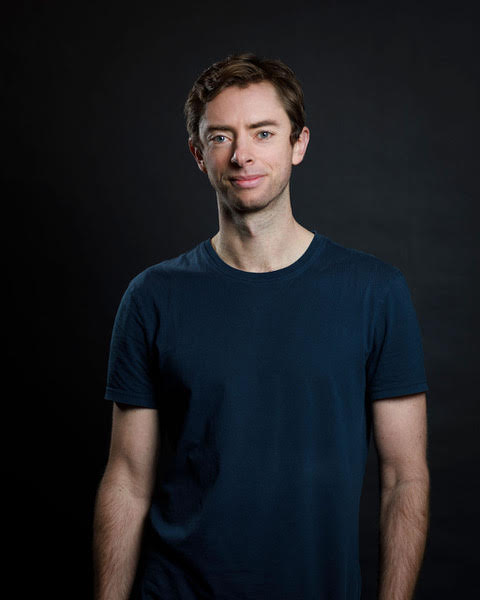
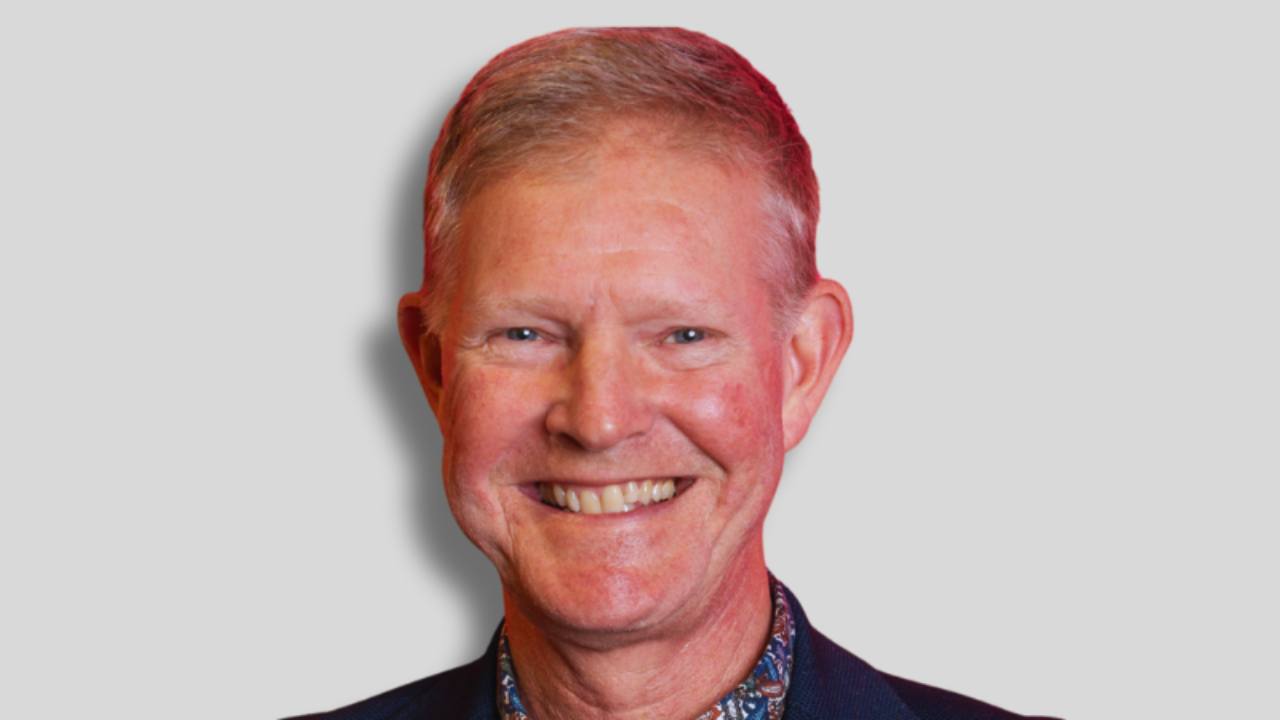
Alex Merry
Alex Merry has spent the last decade helping founders utilise public speaking as a growth lever to drive real change.
He's helped raise £250M+ in capital, coached talks that changed government legislation, and built MicDrop - the invitation-only community for founders, thought leaders and speakers who want speaking to be their most powerful business accelerator.
This week, Alex breaks down the critical mistakes that cost speakers opportunities and the proven tactics that get you booked again and again.
PS: For the first time since May, Alex is opening MicDrop to a small group of new members. As an Oratore reader, you get priority access before the public announcement. Details below.
5 No-BS Questions with Alex Merry
1. How should a speaker figure out what to charge?
I’m afraid there’s no magic formula for pricing, but that doesn’t mean you can’t feel confident about the all-important number you put down in your proposal. It starts with a solid enquiry process that provides you with the clues you need whilst setting the right expectations with the booker. The four biggest fee drivers?
- The type of event
- The seniority of the audience
- The perceived value of both your topic
- and your reputation as a thought leader.
The other thing that helps is having people you can ask. That way, you don’t fall into the trap of second-guessing your fee and underselling yourself. Inside MicDrop, members will often share their fees to sense-check them with real-world experience.
2. What's the #1 mistake in speaker applications (TEDx or otherwise)?
When I was running TEDxClapham one year, we had 400 applications and only one made the cut - we had to headhunt the rest!
The most common mistake? Talks that read like a sales pitch in disguise. It felt like the speaker was going to benefit from the engagement more than the audience itself. The best applications speak to a genuine audience need, and that’s what makes curators excited.
3. What makes a cold pitch stand out?
To be completely honest, we do very little cold pitching inside MicDrop. Our focus is on helping our members become as ‘recommendable’ as possible. Why? Because when you’re recommended, you’re not chasing, you’re being chosen.
We have 150+ members keeping an ear to the ground for speaking opportunities - the kind that don’t get advertised, because they’re given to the speakers who come personally recommended.
It’s a strategy that we’ve found to be incredibly successful to date.
4. How can speakers expand their impact beyond the keynote?
One of the biggest mistakes I see speakers make is overpromising in the keynote itself. If you promise the world in 45 minutes, you actually reduce your chances of future work - because no single talk can deliver that much change.
The real purpose of a keynote is to create a spark. When you do that well, the follow-on opportunities can be bigger than you think.
One of our MicDrop members recently landed a £250k workshop package off the back of an initial session they delivered. They are not a celebrity or influencer - just a solopreneur who is good at what they do. It just goes to show what can be achieved.
5. How can someone without a book deal or viral TED talk still stand out?
This might be controversial, but I think both of these credibility markers can be overstated. What event organisers care about most is that you’re a true subject matter expert.
Thought leadership isn’t just about knowing your field; it’s about moving it forward and shaping it. One of the most effective ways to do this is to bring new insights to the table. Every industry has those unanswered questions. Most people wait for someone else to solve them. Step into that gap, and suddenly you’re the one moving the conversation forward.
It can feel daunting to take on a project like this, but it doesn’t need to be this perfectly polished bit of research; it can be scrappy.
The best bit? By sharing the journey as you go creates magnetism, and it will not only elevate how people see you, but also how you see yourself.
Ready to Level Up?
MicDrop is Alex’s private community for thought leaders who speak. He helps members:
- Turn ideas into demand: So the right people start chasing you (not the other way round).
- Stop leaving money on the table: by learning what to charge and how to win paid work.
- Earn credibility and respect: so their ideas carry weight in the rooms that matter.
Inside MicDrop, members get unlimited workshops, access to live speaking gigs, £750+ of courses, curated support groups, and a growing database of paid opportunities.
MicDrop hasn't opened since May and won't reopen until 2026. Spots are strictly limited. As an Oratore reader, you get priority access before the public launch next week. But only until spots fill:
👉 Join the MicDrop waiting list
About this newsletter
The Oratore Speakers newsletter connects 2,000+ speakers across Europe and the UK. Each edition spotlights leaders who bring real value to the speaking community. If you’ve got insights (not just promos) worth sharing, let’s talk. You might be next.
Thanks for reading,
Steven
Let’s connect: LinkedIn